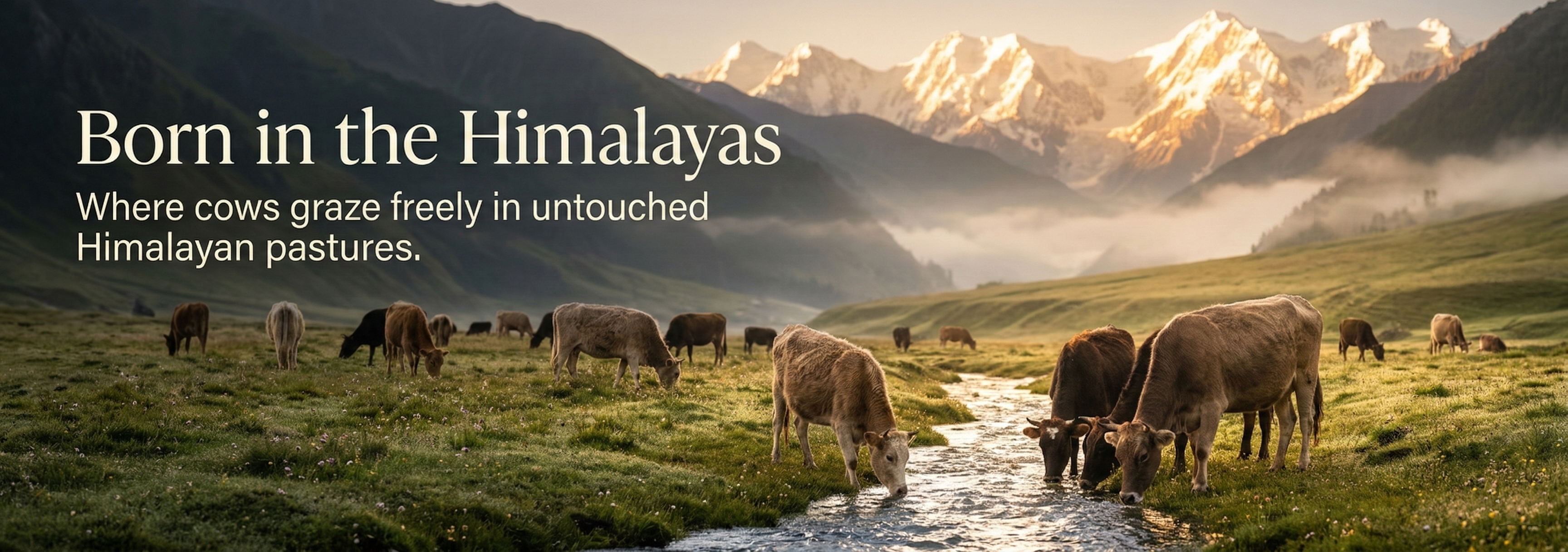
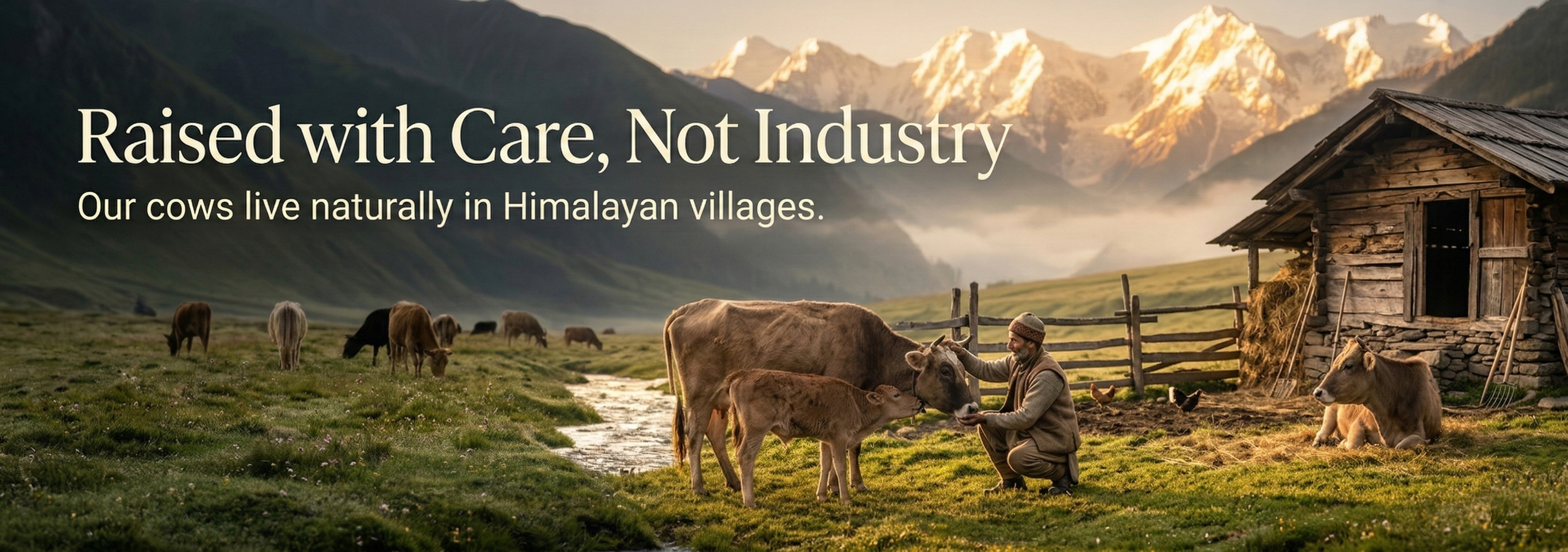
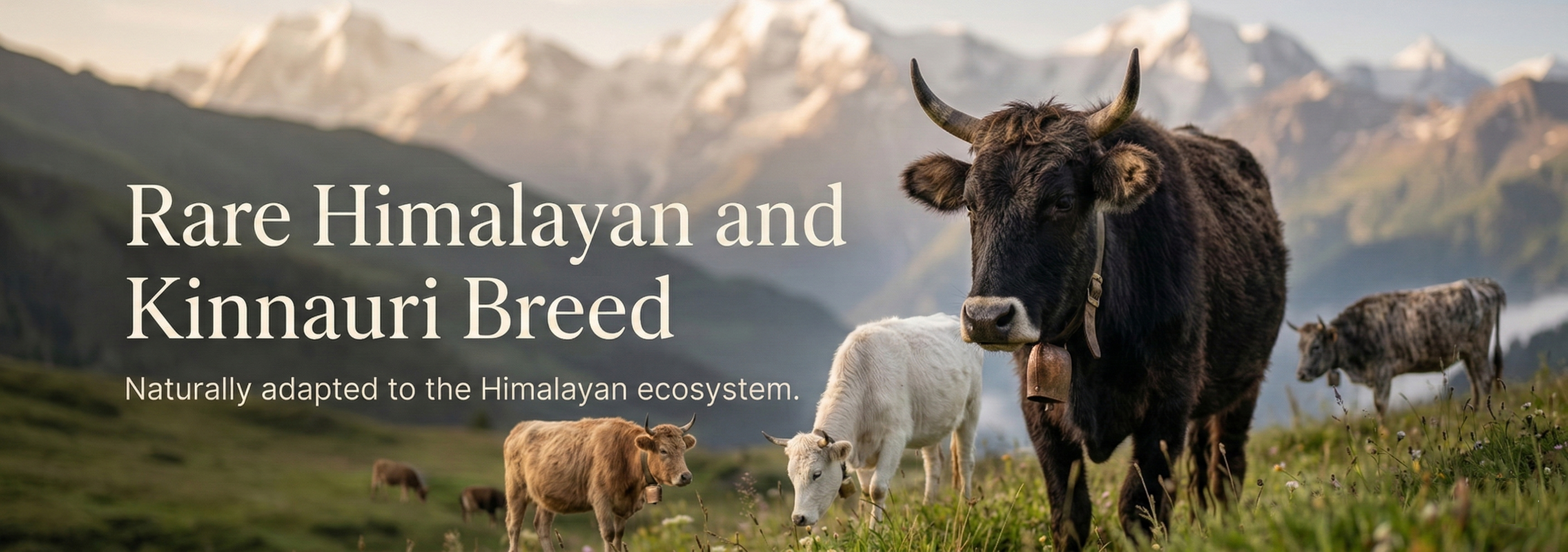
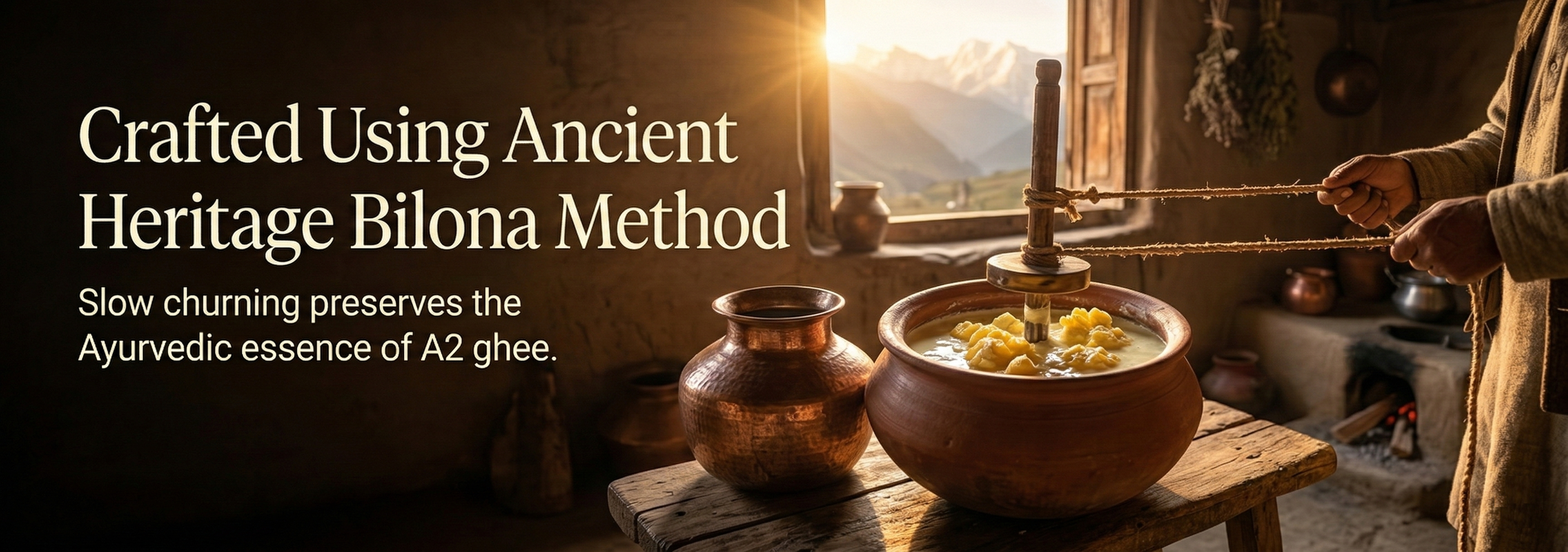
In the lap of the Himalayas, where the first rays of sunlight touch snow-draped peaks before the rest of India even wakes, there lies a land that seems carved by the gods themselves.
When you tread through the cedar forests of Kapla, In the apple orchards of Kinnaur, in the pine forests of Shimla, in the snowfields of Lahaul, and the meadows of Chamba, they feel something rare—silence that heals. No honking, no dust, no rush… only the whisper of winds and the slow rhythm of life. Where worries melt into the orange sunset behind the Kinner Kailash range.
Other places offer beauty, but Himachal offers peace. The wind whispers through pine needles, the rivers roar with ancient wisdom, and the mountains stand like guardians watching over their people. Himachal doesn’t just show you scenery—it teaches you to breathe again. In the rush of modern cities, people lived faster but not better. In Himachal, life moved to the rhythm of rivers and snowfall. There was time to breathe, to think, to feel. Traffic jams are replaced by pine forests. Crowded markets replaced by calm paths. Concrete buildings replaced by wooden homes smelling of cedar.
A Place Where People Still Smile First. In a world racing ahead, Himachal moves at the speed of humanity. An old shepherd in Spiti will invite you to share his butter tea. A grandmother in Kinnaur will insist you taste her freshly made Chilta. A stranger will guide you through a shortcut in the mountains as if you’ve known each other for years.
Organic orchards nurtured by families for generations. Villages that blend with the mountains instead of conquering them. Himachal doesn’t try to overpower nature. It grows with nature. And because of this, it feels purer… greener… and more grounded than anywhere else. Where other regions race for profit, Himachal focuses on purity. Farmers wake with the sun, planting apples, rajma, chilgoza, herbs, and medicinal plants. Their produce isn’t just organic— it carries the honesty of the mountain people. This is why Himachali apples taste sweeter, why Kinnauri rajma smells richer, why the honey from this land feels almost divine.
The Secret of Himachal after weeks in the hills, you will be understood what makes Himachal better than the rest.
It is not just the beauty. It is not just the weather. It is not just the culture. It is the feeling of belonging, a sense of calm that no any other city, state or metro could give.
Nestled in the lap of the mighty Himalayas, Himachal Pradesh is not just a destination—it is an emotion shaped by mountains, rivers, traditions, and a rhythm of life untouched by chaos. Spread across deep valleys, snow-clad peaks, dense pine forests, and flowing glacier- fed rivers, Himachal breathes a rare balance between nature and culture.
It is a land where mornings begin with golden sunlight kissing snow peaks, where the air carries the fragrance of pine and wild herbs, and where life flows slowly, deeply rooted in tradition. Small villages sit peacefully on mountain slopes, and people live in harmony with nature, preserving customs that are centuries old.
Unlike crowded urban landscapes, Himachal offers silence, clarity, and a sense of grounding. It is a place where time doesn’t rush—it unfolds.
The story of Himachal is ancient, woven through mythology, spirituality, and resilience. The very name “Himachal” means “The Abode of Snow,” derived from Sanskrit—Hima (snow) and Anchal (lap)
Legends say that sages and saints chose these mountains for meditation, seeking isolation and divine connection. Even today, temples and monasteries scattered across the region carry that spiritual energy. From the sacred chants echoing in monasteries of Spiti Valley to the vibrant processions of Kullu Dussehra, every tradition reflects a deep-rooted belief system.
Historically, Himachal was divided into small princely states, each with its own culture and governance. Over time, these regions merged, yet they retained their unique identities. This is why every valley in Himachal feels like a different world—with its own dialect, attire, food, and customs.
The people of Himachal—simple, hardworking, and deeply connected to their land—have preserved this heritage with pride. Their lives revolve around agriculture, livestock, and seasonal cycles, making sustainability not a concept, but a way of life.
The beauty of Himachal is not loud—it is poetic. It reveals itself slowly, in layers.
It begins with the towering Himalayas, standing like silent guardians. Then come the valleys—lush green in summer, golden in autumn, and blanketed in white during winter. Rivers like the Beas and Sutlej carve their way through the mountains, their crystal-clear waters reflecting the sky.
The forests are alive with pine, deodar, and cedar trees, whispering stories with every breeze. In higher regions, alpine meadows bloom with wildflowers, untouched and vibrant. The air feels lighter, purer—as if every breath carries healing.
What makes Himachal truly beautiful is not just its landscapes, but the feeling it evokes—a sense of peace, humility, and connection with something greater than ourselves.
Shimla carries the charm of colonial India, with its old architecture, scenic ridge, and cool climate. Once the summer capital of British India, it still echoes elegance and history.
Manali is where adventure meets serenity—snow-covered mountains, river valleys, and thrilling activities like skiing and paragliding create a perfect blend of excitement and calm.
Dharamshala and McLeod Ganj offer a spiritual escape, influenced by Tibetan culture and the presence of the Dalai Lama, where monasteries and prayer flags create an atmosphere of peace.
Spiti Valley feels like another planet—rugged, barren, yet breathtaking. Its monasteries, perched on cliffs, tell stories of resilience and faith.
And then there is Kinnaur—a hidden gem, where nature and tradition merge in their purest forms.
Himachal is not just another tourist destination—it is an experience of purity. While many places in India have been shaped by commercialization, Himachal still holds onto its authenticity.
Here, life is slower, simpler, and more meaningful. Food is grown locally, water flows directly from glaciers, and traditions are still practiced with sincerity. The connection between people and nature is unbroken.
The air feels cleaner, the landscapes feel untouched, and the culture feels genuine. Unlike crowded cities or overdeveloped tourist hubs, Himachal offers space—not just physically, but emotionally.
It allows you to pause, reflect, and reconnect—with yourself and with nature.
That is what makes Himachal different. Not better in a competitive sense—but purer in its essence.
Tucked away in the eastern part of Himachal lies Kinnaur Valley—a land that feels untouched by time.
Kinnaur is where the Himalayas reveal their raw, sacred beauty. Dominated by the majestic Kinnaur Kailash, the valley holds deep spiritual significance. Locals believe it to be the abode of Lord Shiva, and the mountain stands as a symbol of strength and divinity.
Villages like Kalpa and Sangla are picture-perfect, with wooden houses, apple orchards, and snow peaks forming a breathtaking backdrop. The Baspa River flows gently through the valley, adding life to the landscape.
But what truly makes Kinnaur special is its people. The Kinnauri culture is rich, unique, and deeply rooted in tradition. Their attire, music, festivals, and lifestyle reflect a harmonious blend of Hindu and Buddhist influences.
Life here is simple yet profound. People wake up with the sun, work in orchards and fields, and live in close connection with nature. There is no rush—only rhythm.
Kinnaur is also known for its purity—pure air, pure water, pure food. Everything here feels untouched, authentic, and real.
It is not just a place you visit—it is a place you feel.
Himachal Pradesh is more than mountains—it is a story of purity, resilience, and timeless
beauty. And within it, Kinnaur stands as its most untouched chapter.
If Himachal is the heart of the Himalayas, then Kinnaur is its soul.